
Home › Massachusetts › Haverhill
Bathroom, Kitchen and Home Remodeling in Haverhill, MA
Haverhill says it plainly: kitchen and bathroom remodels, replacing drywall and laying flooring on the subfloor all need a building permit from Inspectional Services. Call (978) 951-4644 or use the form. A person reads every request and replies with what happens next.
- Free for homeowners
- City and state remodeling rules on this page
- Bradford to Rocks Village
Ask About Remodeling Service in Your Area
Tell us about the house and what you want to change. A person reads it and replies with what happens next.
Please add your name, a 10-digit phone number and a valid email.
Your request didn't go through on our end. Please call (978) 951-4644 so it isn't lost.
Too many requests have come from this connection in a short time. Please call (978) 951-4644 and we'll take it from there.
We couldn't finish the spam check. Wait a moment and send it again, or call (978) 951-4644.
Remodeling in Haverhill
What are you changing?
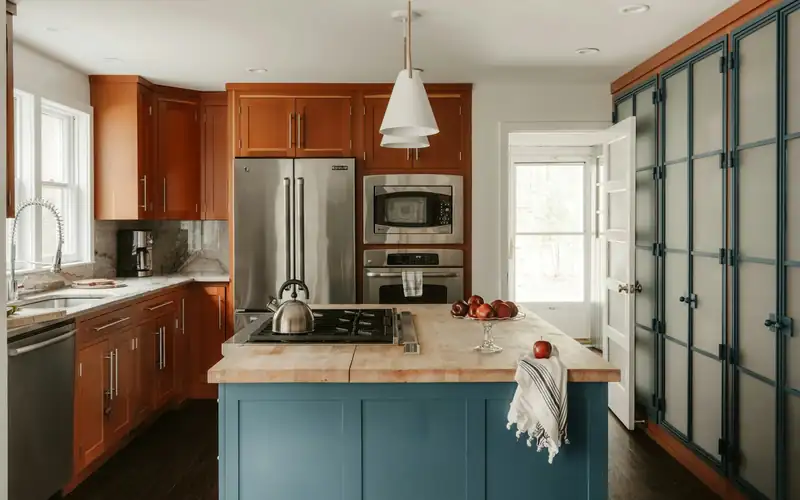
Kitchen Remodeling
New layouts, cabinets and counters, with licensed trades for any plumbing, gas and electrical work.
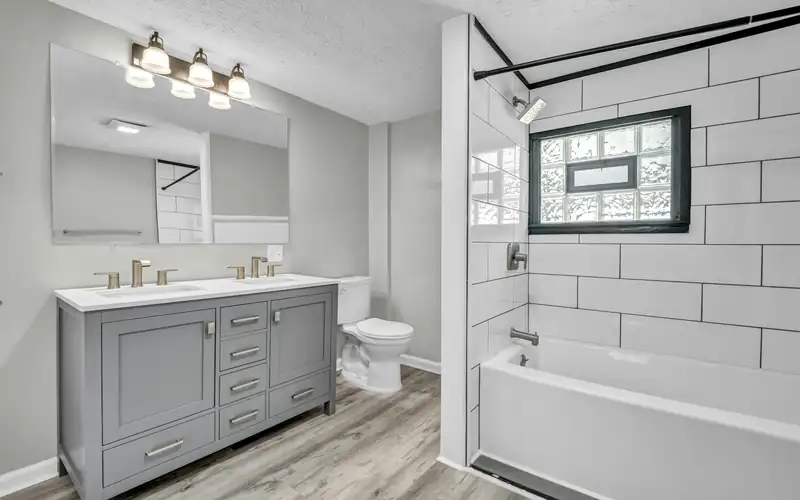
Bathroom Remodeling
Tub-to-shower conversions, full gut renovations and added bathrooms, permitted the way your town requires.
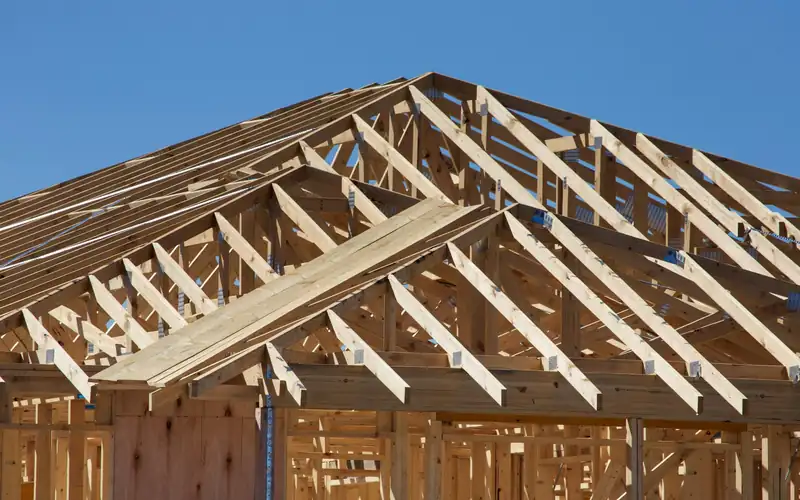
Additions & Whole-Home
Additions, dormers, second stories and whole-house renovations, with the structural permits and zoning they bring.
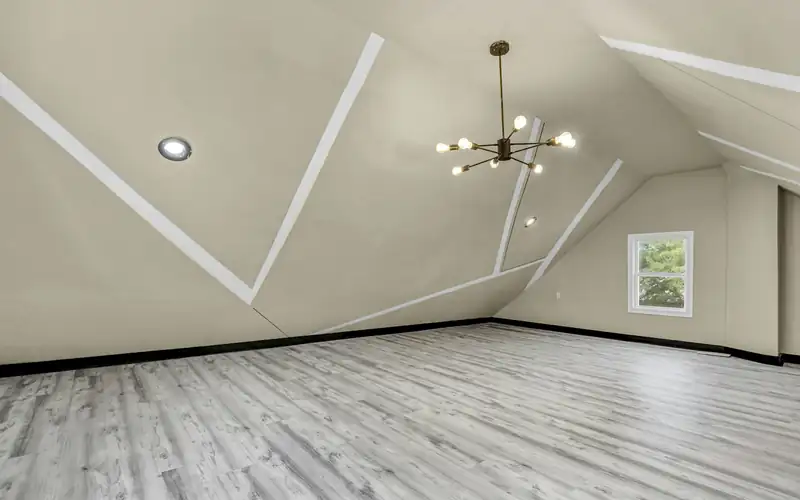
Attic & Basement Finishing
Turning an attic or a dry basement into living space, with the building department involved from the start.
Not sure what needs a permit?
(978) 951-4644Tell us what you want to open up, move or add on, and we'll point you to the Haverhill rules that apply before a contractor prices it.
Permits
Remodeling permits in Haverhill
Inspectional Services. Building permits come from Inspectional Services at City Hall, 4 Summer Street, and are filed through the city's OpenGov portal. The Building Inspector's line is 978-374-2338, and the city asks you to call it if you're unsure whether a project needs a permit. Its building permit page lists the interior work that does: replacing drywall, kitchen and bathroom remodels, and installing flooring on the subfloor. Painting and rugs do not. Additions need a plot plan from the Engineering Department in Room 300 (Haverhill building permits).
The fee math. The same page, which carries no effective date, charges a remodel permit $50 for work up to $2,000 and $14 for each additional $1,000; the city's own example puts a $5,000 project at $92. Permits run six months and renew for $25 per six months, the permit card has to be on site before work starts, and in-office payments are by check or money order only. Foundations and new construction are priced by the office on request.
Who can pull it. A homeowner may take out their own building permit only for an owner-occupied one- or two-family house. Contractors on owner-occupied one- to four-family jobs upload the owner's contract, their license, their Home Improvement Contractor registration and proof of workers' compensation. Under state law, a homeowner who pulls the permit is excluded from the Home Improvement Contractor Guaranty Fund, which can pay up to $25,000 of actual losses when a registered contractor doesn't pay a judgment, and hiring an unregistered contractor shuts you out of it too (Mass.gov HIC homeowner resources).
Plumbing, gas and wiring. Only Massachusetts-licensed plumbers, gas fitters and electricians do this work. The Plumbing & Gas Inspections office in Room 214 posts an undated schedule of $50 per dwelling unit plus $10 per fixture for residential plumbing and $50 plus $10 per appliance for gas, and doubles all fees when work starts before the permit; same-day inspection requests go in by 9 AM (Plumbing and gas). The wiring inspector's page also doubles fees for early starts and requires the electrician at every inspection (Electrical).
State contract rules. Remodeling an existing owner-occupied one- to four-family home is residential contracting under M.G.L. c.142A. A job over $1,000 needs a written contract with the contractor's registration number, start and completion dates, the price and a payment schedule; the deposit can't exceed one-third of the price unless special-order materials cost more; and a contract signed away from the contractor's place of business can be cancelled until midnight of the third business day (c.142A §2). Structural work on a one- or two-family home has to be overseen by a licensed construction supervisor or a registered design professional (Construction supervisor license).
Alarms and energy code. Massachusetts requires listed photoelectric smoke alarms and a CO alarm on every story, basements included (780 CMR R314 and R315). Haverhill has used the Stretch Energy Code since July 1, 2018 and is not a Specialized Code city, per the state's November 2026 adoption list (Energy code adoption by municipality). Under the Stretch Code, an addition over 1,000 square feet or more than 100% of the existing conditioned floor area needs a HERS rating, while finishing a basement or attic without changing the footprint or roofline does not (225 CMR 22).
- Office
- Inspectional Services, City Hall, 4 Summer Street
- Portal
- OpenGov
- Named permit work
- Kitchen and bath remodels, replacing drywall, flooring on the subfloor
- Remodel fee
- $50 up to $2,000, then $14 per $1,000 (page undated)
- Permit life
- Six months; $25 renewal
- Starting early
- Plumbing, gas and wiring fees double
- Energy code
- Stretch Code since July 1, 2018
Last verified November 2026. Fees, restrictions and deadlines on this page are due for re-checking by May 2027. New England Remodeling Pros is a referral service. We don't design or build; the contractor you hire files the permits.
Zoning
Adding on in Haverhill
Footprint and coverage. The city's dimensional tables weren't readable for this page, so ask Inspectional Services for your district's setbacks before drawing an addition. The zoning chapter defines building coverage as the combined building area as a share of the lot, leaving out unenclosed porches, balconies and terraces (Haverhill Zoning, Ch. 255 definitions).
Older houses that don't meet today's rules. State law lets a one- or two-family house that predates current zoning be altered or extended without a special permit finding when the change doesn't increase its nonconforming nature; otherwise the permit granting authority has to find the change is not substantially more detrimental (M.G.L. c.40A §6). Inspectional Services decides how that applies to a particular lot.
ADUs. Haverhill's accessory dwelling unit section, last amended March 18, 2025, allows a unit inside the existing envelope of a house with three or fewer units by right, with no special permit, and treats a single-family addition that meets every setback and yard rule the same way. The ordinance sets a cap of 1,200 square feet or 40% of the living space, whichever is less (50% for a detached unit), asks the owner to live in one unit and calls for one extra off-street space, though the section says its size, owner-occupancy and parking limits do not apply to a single by-right ADU in a single-family zone. An ADU in an existing detached accessory building needs a Board of Appeals special permit (Ch. 255 §8.1). State law since February 2, 2025 allows one ADU of up to 900 square feet, or half the main house if smaller, by right in single-family districts, and bars towns from requiring owner occupancy, a special permit or more than one parking space for it (Mass.gov ADU page). Where the two differ, ask Inspectional Services which applies.
Septic neighborhoods. The city's 2024–2031 open space plan, still a draft, lists unsewered areas in West Haverhill (North Broadway, the Crystal Lake area and Ayers Village), East Haverhill (Amesbury Road, Rocks Village and East Broadway) and South Bradford south of Willow Avenue, and blames on-site system problems mainly on high groundwater and poor soils (Draft Open Space and Recreation Plan). The Health Department enforces Title 5, and the Board of Health witnesses deep-hole and perc tests; its septic page lists $150 for a perc test and $225 for upgrade design review (Septic systems and wells). If an addition or ADU brings more bedrooms to a house on septic, check with the Health Department early.
Wetlands and floodplain. The city wetlands ordinance reviews work within 100 feet of a resource area (200 feet along riverfront and the city's water supplies) and sets a 25-foot no-disturbance zone and a 50-foot no-build zone, which grow to 35 and 75 feet in drinking water supply areas (Ch. 253). Its FAQ says an addition within the 50-foot no-build zone is typically filed as a Request for Determination of Applicability (Conservation Commission FAQ). In the floodplain overlay, the lowest floor, including any basement or cellar, must sit at or above base flood elevation (§255-9.1).
Historic review
Old houses and historic review in Haverhill
Three local historic districts. Rocks Village (adopted October 8, 1974), Bradford Common and Washington Street (adopted August 28, 1979) are local historic districts under City Code Chapter 54. Exterior changes inside them need a certificate first, and the code says the Building Inspector cannot issue a permit without one; window air conditioners, antennas, storm doors and windows and paint color are exempt, and the commission has 60 days to decide (Ch. 54). That puts dormers, porches, additions and window replacements on a historic house in these districts in front of the commission before Inspectional Services.
The Historic Commission. Outside the districts, the Haverhill Historic Commission acts in an advisory role and liaises with the Massachusetts Historical Commission; its page mentions no demolition delay (Haverhill Historic Commission).
Lead paint. In a home built before 1978, Massachusetts requires a licensed lead-safe renovation contractor for renovation, repair or painting work (Mass.gov lead-safe renovation). Window replacement and demolition of painted surfaces are always covered under the federal rule, regardless of size (EPA RRP for contractors).
Haverhill's homes
Mill-era housing, an old common and a farming village
The city's draft open space plan describes century-old housing built for shoe millworkers between 1880 and 1940 in its Environmental Justice Zone (Draft Open Space and Recreation Plan). An April 2022 Haverhill housing forum, with presenters from the city and the Merrimack Valley Planning Commission, counted 1,021 multifamily units permitted since 2000 (Haverhill Housing Forum). Owners with low or moderate incomes in designated neighborhoods can ask Community Development about its Housing Rehabilitation and Code Correction Program, which helps with necessary code and energy efficiency work, subject to funding (Housing Rehabilitation Program).
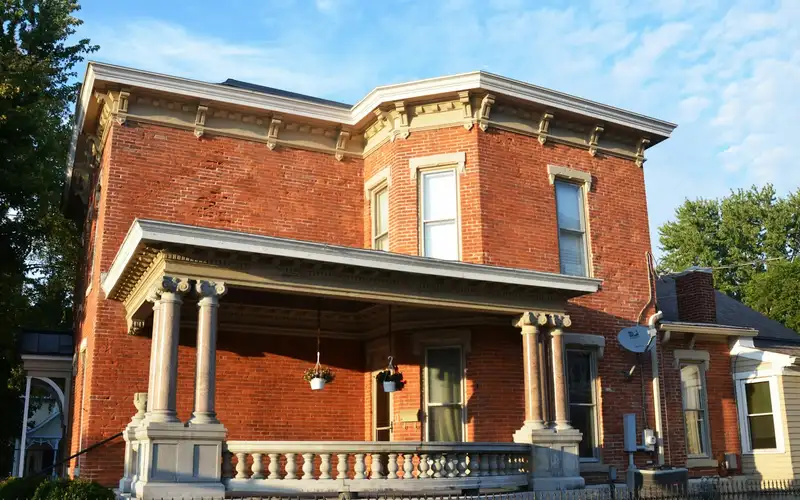
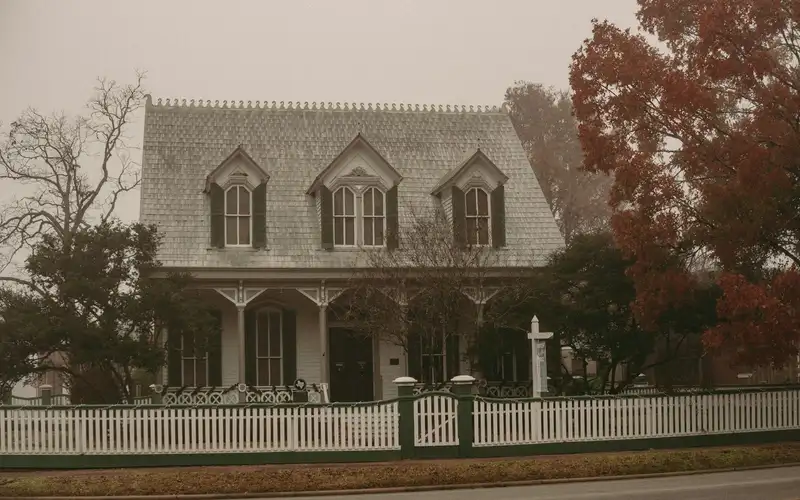
Rocks Village
A historic farming village near West Newbury, a local historic district since 1974 and listed as unsewered in the draft open space plan.
Bradford Common
Settled in 1649, with Colonial to Victorian homes around the common and along South Main Street.
Washington Street
The shoe district's Queen Anne industrial buildings, rebuilt after the Great Fire of 1882.
FAQ
Haverhill remodeling questions
Does a kitchen or bathroom remodel need a permit in Haverhill?
Yes. The city's building permit page lists kitchen and bathroom remodels, replacing drywall and installing flooring on the subfloor as interior work that needs a permit, while painting and rugs do not. Plumbing, gas and electrical work need their own permits from Massachusetts-licensed trades. If you are unsure about a project, the page says to call the Building Inspector.
How is a remodel permit fee figured in Haverhill?
The city's building permit page, which shows no effective date, sets a $50 base that covers work up to $2,000, then $14 for each additional $1,000. Its own example puts a $5,000 project at $92. Permits are good for six months and renew for $25. Plumbing and gas permits are priced separately, and those fees double if work starts before the permit.
Can I add an in-law apartment in Haverhill?
Often, yes. The city's ADU rules, amended March 18, 2025, allow a unit inside the existing house, or in a single-family addition that meets every setback and yard rule, without a special permit. State law since February 2, 2025 also allows one ADU of up to 900 square feet, or half the house if smaller, by right in single-family districts. Inspectional Services can tell you which rules govern your plan.
Do I need historic approval for a porch or dormer in Rocks Village or Bradford Common?
If the house is inside one of Haverhill's three local historic districts, exterior changes need a certificate, and the city code says the Building Inspector cannot issue a permit without one. Window air conditioners, antennas, storm doors and windows and paint color are exempt, and the commission has 60 days to decide.
What does it cost me to use New England Remodeling Pros?
Nothing. Asking is free for homeowners; the contractor prices the job, and the price and contract are between you and them.
Nearby