
Home › Massachusetts
Remodeling a Home in Massachusetts: What Homeowners Should Know
We refer remodeling contractors in Greater Lowell, the Andover, Lawrence and Haverhill area, and the Woburn, Reading and Melrose area. State law sets the rules for contractors and contracts, and your town building department issues the permits, so each town page covers what that department asks for and what the town adds. Call (978) 951-4644 or send the form. A person reads every request and replies with what happens next.
- Free for homeowners
- State rules in plain English
- Lowell to Melrose
Ask About Remodeling Service in Your Area
Tell us about the house and the project you have in mind. A person reads it and replies with what happens next.
Please add your name, a 10-digit phone number and a valid email.
Your request didn't go through on our end. Please call (978) 951-4644 so it isn't lost.
Too many requests have come from this connection in a short time. Please call (978) 951-4644 and we'll take it from there.
We couldn't finish the spam check. Wait a moment and send it again, or call (978) 951-4644.
Service area
Massachusetts towns we cover
Every Massachusetts town works from the same state building code, but each building department runs its own permit process, and zoning, historic districts and demolition delay bylaws vary a great deal from one town to the next. A town with its own page covers its permit office, which jobs it says need permits, the rules for additions and accessory apartments, and historic review. The other towns are in our area too; send a request from any of them.
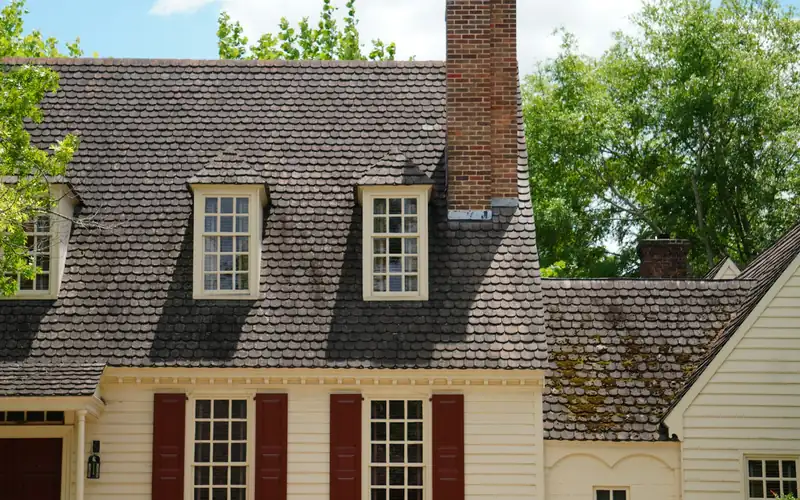
Greater Lowell
Andover, Lawrence & Haverhill
Woburn, Reading & Melrose
State rules
Contractors, contracts and permits
Who must register. The home improvement law covers renovating, altering, repairing or adding on to an existing owner-occupied building with one to four dwelling units (M.G.L. c.142A §1). The state's program leaves out new construction, buildings with more than four units, and investment, vacation or second homes, and some small jobs under $500 are exempt (OCABR homeowner resources). Licensed plumbers and electricians working within their licenses, and owners working on their own homes, are exempt from registering (201 CMR 18.01). Search a contractor on the state Contractor Hub; a name can be missing because the registration lapsed or was suspended.
What the contract must say. Any home improvement job over $1,000 must be in writing. The contract has to include both parties' names and addresses, the contractor's registration number, the start date and the date of substantial completion, a description of the work and materials, the total price, a payment schedule and the required notices (M.G.L. c.142A §2). OCABR posts sample contract language.
Deposits and cancelling. The deposit may not exceed one-third of the contract price, or the cost of special-order materials if that is greater. If you sign somewhere other than the contractor's place of business, such as your kitchen table, you can cancel until midnight of the third business day after signing (M.G.L. c.93 §48).
If it goes wrong. Registered contractors must agree to arbitrate, and a claim can be filed within five years of the contract date; either side may go to small claims court instead (M.G.L. c.142A §4). A homeowner who wins and isn't paid may apply to the Guaranty Fund for up to $25,000 of actual losses (as of November 2026). Hiring an unregistered contractor, or pulling the permit yourself, takes you out of the fund, and arbitration eligibility includes the contractor having pulled the permit (OCABR, eligibility checker).
Construction supervisors. On one- and two-family homes, a licensed construction supervisor or a registered design professional must oversee construction (When a CSL is required). A homeowner doing permitted work on the home they live in is exempt and acts as supervisor of anyone they hire (780 CMR 110.R5). Check a license on the OPSI verification site.
Building permits. The 10th edition of the state building code took effect October 11, 2024 and has been the only code in force since June 30, 2025 (Mass. building and energy codes). Painting, papering, tiling, carpeting, cabinets and countertops are exempt from a building permit. Substantially cutting away a wall, removing or cutting a structural beam or load-bearing support, or changing a required means of egress needs one (780 CMR R105.2). The state's contractor chart marks structural carpentry, drywall, insulation, window installation or replacement, new door installation and demolition as permit work, and says the answer always depends on the project (HIC contractor resources).
Plumbing, gas and electrical. Plumbing and gas fitting can't be installed or altered until the inspector issues a permit, and permits go to licensed individuals (248 CMR 3.05). Electrical work done as a business must be done by someone licensed by the state examiners of electricians (M.G.L. c.141 §1A), under the Massachusetts Electrical Code, based on the 2026 NEC and in effect since April 24, 2026 (Mass. Electrical Code). Check plumbers, gas fitters and electricians on eLIPSE.
Last verified November 2026. Fees, restrictions and deadlines on this page are due for re-checking by February 2027.
Before you build
Energy code, apartments, old paint and digging
Energy code. The base code is the 2021 IECC with Massachusetts amendments; towns can opt into the Stretch Code or the Specialized Code (Building energy code). As of October 27, 2026 the state counts 241 Stretch Code municipalities and 61 Specialized Code municipalities (adoption by municipality). Under the Stretch Code, an addition over 1,000 square feet or more than doubling the conditioned floor area must meet a HERS rating limit, while finishing an existing attic or basement without changing the footprint or roofline does not need a HERS rating. In Specialized Code towns, work on existing homes follows the same Stretch Code rules (225 CMR 22). The state took public comment on proposed Stretch and Specialized revisions from May 27 to June 24, 2026 and has posted no effective date for them.
Accessory dwelling units. The Affordable Homes Act allows one ADU by right in single-family zoning districts, effective February 2, 2025. It can be no larger than half the main house or 900 square feet, whichever is smaller, and needs a separate entrance. Towns can't require owner occupancy, a family relationship or more than one parking space (none near certain transit stations), but they can apply site plan review and dimensional rules (EOHLC ADU page), and every protected ADU needs a building permit (ADU FAQs). The state proposed revisions to its ADU regulation in 2026, with comment from September 11 to October 9.
Older houses. Expanding a pre-existing nonconforming single- or two-family house needs a finding from the town's permit granting authority that it won't be substantially more detrimental, unless the change doesn't increase the nonconforming nature of the house (M.G.L. c.40A §6). How that applies depends on your town's bylaw. In a home built before 1978, renovation must be done by a licensed lead-safe renovation contractor (Department of Labor Standards). MassDEP requires an asbestos survey before renovation or demolition of a structure of any age, and removal is filed by a licensed abatement contractor ten working days ahead (MassDEP survey guide, AQ 04 notification).
Alarms. Massachusetts requires photoelectric smoke alarms, including one near the base of every stair, and a carbon monoxide alarm on every story including the basement (780 CMR R314 and R315).
Digging a foundation. The excavator must premark the area and notify Dig Safe at least 72 hours ahead, not counting weekends and legal holidays, and no more than 30 days ahead (M.G.L. c.82 §40A). Dig Safe is free at 811 (Dig Safe).
What we refer
Remodeling projects, explained for Massachusetts homeowners
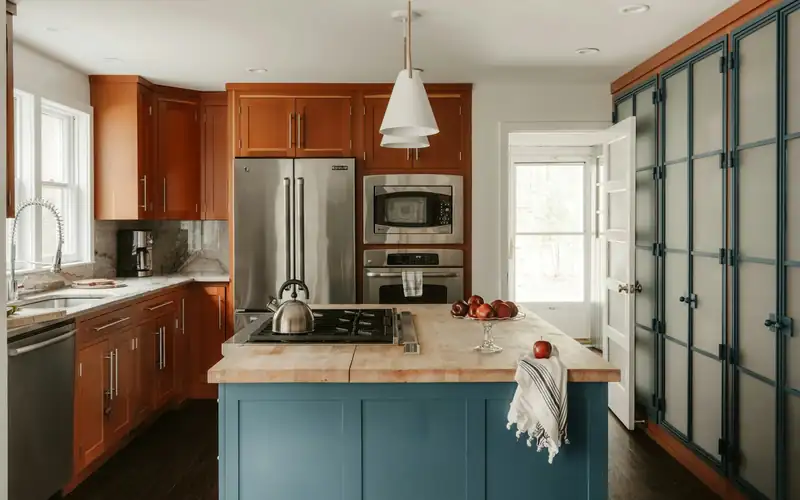
Kitchen Remodeling
New layouts, cabinets and counters, with licensed trades for any plumbing, gas and electrical work.
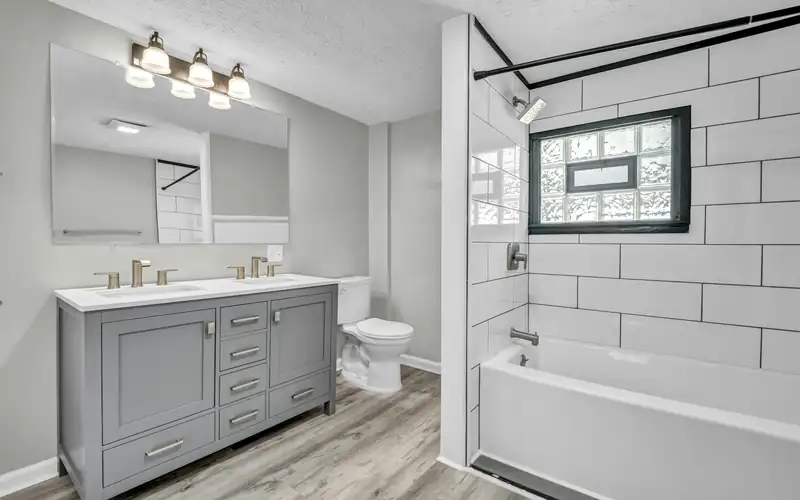
Bathroom Remodeling
Tub-to-shower conversions, full gut renovations and added bathrooms, permitted the way your town requires.

Additions & Whole-Home
Additions, dormers, second stories and whole-house renovations, with the structural permits and zoning they bring.
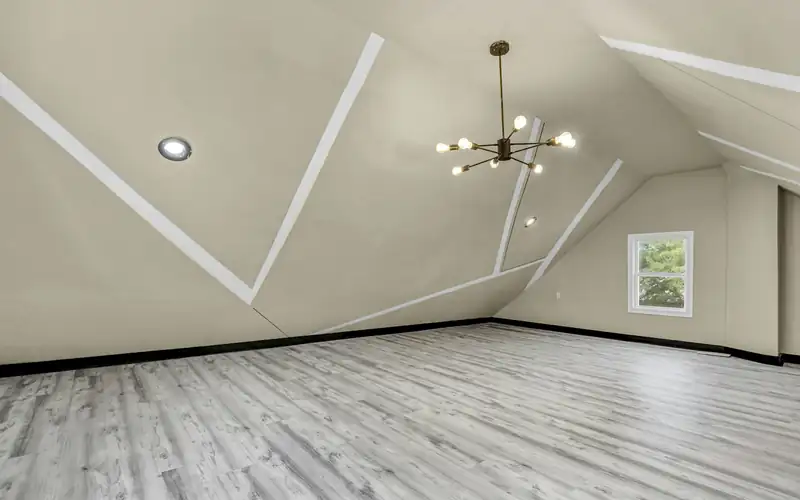
Attic & Basement Finishing
Turning an attic or a dry basement into living space, with the building department involved from the start.
FAQ
Massachusetts remodeling questions
How much can a contractor ask for up front?
No more than one-third of the contract price, unless special-order or custom materials that must be ordered in advance cost more. The home improvement law sets that limit for registered contractors working on owner-occupied homes of one to four units.
Should I pull the building permit myself to save time?
The state warns that homeowners who pull their own permits are excluded from the Guaranty Fund, and its arbitration program expects the contractor to have pulled the permit. Letting your registered contractor apply keeps both protections available.
Do new cabinets and countertops need a building permit?
Not on their own. The residential code lists cabinets, countertops, tiling and similar finish work as exempt from a building permit. Plumbing, gas or electrical changes that come with them may still need permits, and moving or cutting walls does.
Can I add an apartment for a parent?
In single-family zoning districts, one accessory dwelling unit of up to 900 square feet, or half the main house if that is smaller, is allowed by right since February 2, 2025. Your town cannot require that the occupant be family, but the unit still needs a building permit and must meet local rules and codes.
What does it cost me to use New England Remodeling Pros?
Nothing. The request and the referral are free; the contractor prices the work.