
Home › New Hampshire › Dover
Bathroom, Kitchen and Home Remodeling in Dover, NH
Dover requires a building permit for any alteration beyond $2,500 of simple maintenance, homeowners doing their own work included, and it allows accessory dwelling units from 350 to 950 square feet. Call (978) 951-4644 or use the form. A person reads every request and replies with what happens next.
- Free for homeowners
- City and state remodeling rules on this page
- Tuttle Square to Woodman Park
Ask About Remodeling Service in Your Area
Tell us what you want to change in the house. A person reads it and replies with what happens next.
Please add your name, a 10-digit phone number and a valid email.
Your request didn't go through on our end. Please call (978) 951-4644 so it isn't lost.
Too many requests have come from this connection in a short time. Please call (978) 951-4644 and we'll take it from there.
We couldn't finish the spam check. Wait a moment and send it again, or call (978) 951-4644.
Remodeling in Dover
What are you planning?
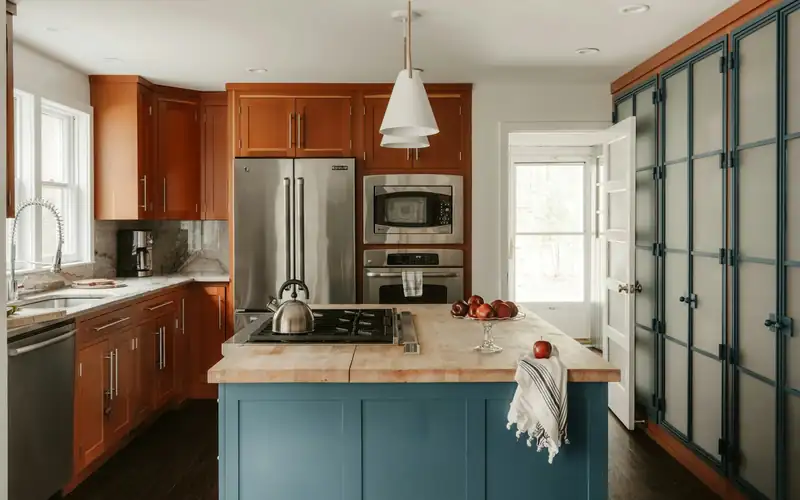
Kitchen Remodeling
New layouts, cabinets and counters, with licensed trades for any plumbing, gas and electrical work.
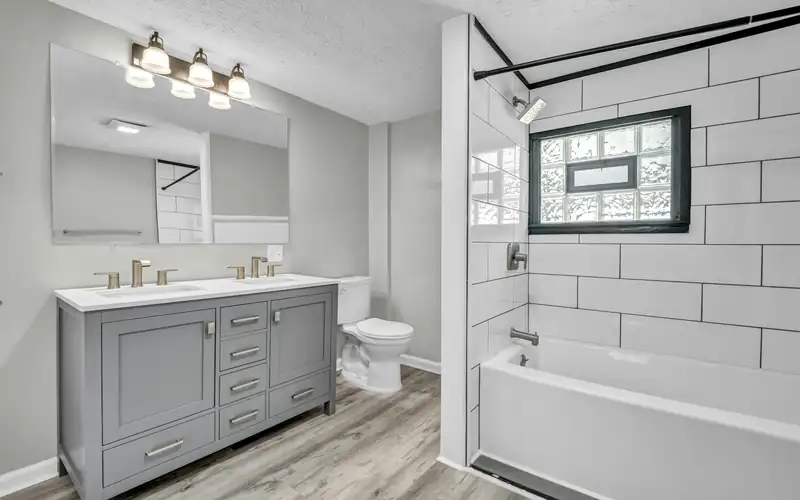
Bathroom Remodeling
Tub-to-shower conversions, full gut renovations and added bathrooms, permitted the way your town requires.
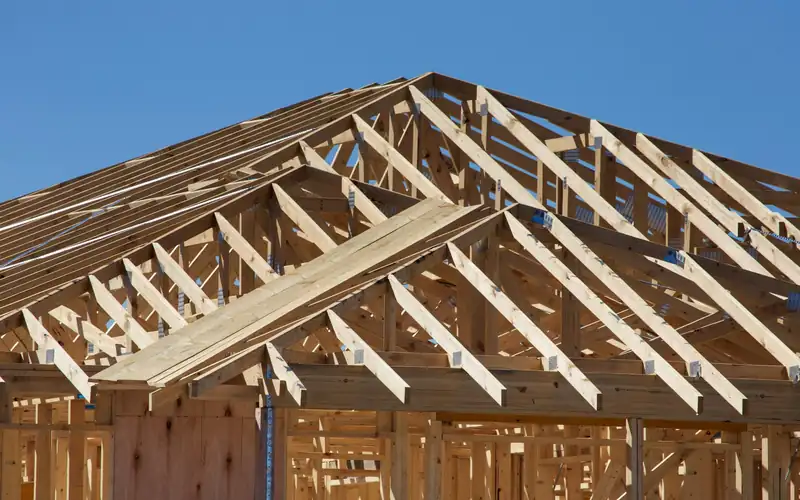
Additions & Whole-Home
Additions, dormers, second stories and whole-house renovations, with the structural permits and zoning they bring.
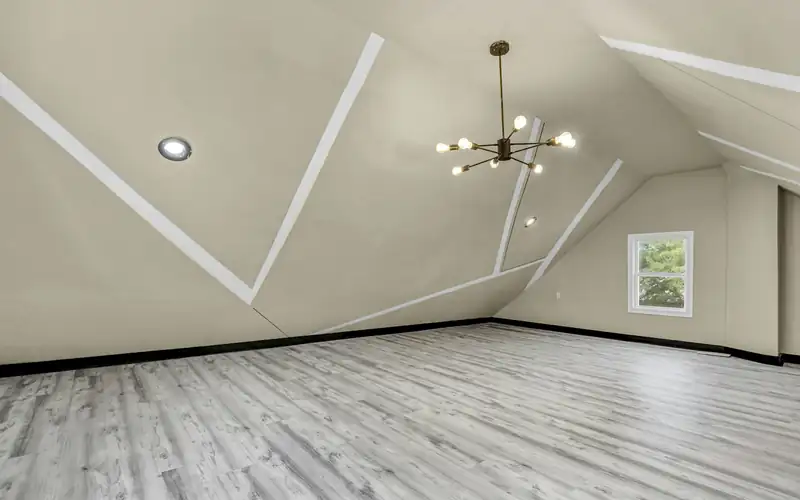
Attic & Basement Finishing
Turning an attic or a dry basement into living space, with the building department involved from the start.
Not sure where to start?
(978) 951-4644Tell us whether you're adding an ADU, finishing a basement or working near a river or wetland, and we'll help you sort out what the city will ask for first.
Permits
Remodeling permits in Dover
Permits come from the Division of Inspection Services at 269 Mast Road, next to the public works complex, open Monday to Friday 8 to 4. Building permit and other applications can be filed around the clock on the city's Portal for Permits, Plans and Licensing (permitting).
What needs a permit. The Inspection Services FAQ says "Building permits are required for any construction, enlargement, alteration, relocation, or demolition to a structure." The exemption is narrow: "simple and normal maintenance and repairs, provided that such work does not exceed $2,500.00." Homeowners doing their own work need a permit too, and interior alterations and remodels need a floor plan showing "labeled rooms, appliances, egress." Foundations are inspected before backfill, the rough-in inspection covers the mechanical work, and inspections are booked on the portal or by phone with about two business days' notice. Retaining walls over 4 feet also need a building permit (Planning FAQ).
Fees. The latest fee schedule the city posts in readable form is the FY2025 Proposed Schedule of Fees, "To be Effective: July 1, 2024 to June 30, 2025." It lists new construction, additions, alterations, renovations and demolition at $11.00 per $1,000 of construction value plus a $25.00 application fee, re-inspections at $75, residential HVAC at $10 per $1,000 plus $25 and residential plumbing at $6 per fixture plus $25, and says permit fees are doubled if work starts before the permit is issued, with a $250 minimum and a $10,000 maximum per permit. City records list an FY2027 Fee and Fine Schedule dated February 11, 2026, so confirm the current amounts with Inspection Services.
- Building permits
- Inspection Services, 269 Mast Road
- Apply online
- Dover permit portal, 24/7
- Permit needed
- Any alteration beyond $2,500 of simple maintenance
- Homeowners
- Need a permit for their own work
- Fees
- $11 per $1,000 + $25 (FY2025 proposed schedule)
- Started early
- Fee doubled, $250 minimum (FY2025 proposed schedule)
State rules. General remodelers aren't licensed in New Hampshire; the Attorney General says "contractors do not need to be licensed," and advises getting references and proof of insurance and signing a written contract with scope, materials, total price and payment schedule before work starts or money changes hands (NH Attorney General). Plumbing, gas and electrical work are licensed trades (OPLC; RSA 319-C). For a residential contract over $5,000 the contractor must give the RSA 359-G notice, and a homeowner must serve written notice of a defect claim at least 60 days before suing (RSA 359-G). Permit issuance belongs to cities and towns under the State Building Code (RSA 155-A:2); the state moved to the 2024 codes on July 1, 2026, either code set is accepted through December 31, 2026, and from January 1, 2027 permits follow the 2024 codes.
Last verified November 2026. Fees, restrictions and deadlines on this page are due for re-checking by February 2027. New England Remodeling Pros is a referral service. We don't do the remodeling ourselves; the contractor you hire, or you as the owner, files the permits.
Zoning
Adding on in Dover
Accessory dwelling units. State law requires one ADU, attached or detached, to be allowed by right wherever single-family homes are (RSA 674:72; RSA 674:73). Dover's ADU page says "Dover allows ADUs in all residential districts where one dwelling unit currently exists." The unit can be inside the house, attached, or in a garage or barn, and "must be at least 350 square feet and no greater than 950 square feet." The owner must occupy one of the two dwellings, "The resulting structure must look like a single-family home," one off-street space is dedicated to it, a restriction against condominium conversion is recorded at the Strafford County Registry of Deeds, and an an annual permit of use, at no cost, is required. Separate electric meters are allowed. Outside the R-40 district, a second ADU is possible if it meets HUD Fair Market Rent limits. An ADU impact fee applies, and the application goes through the permit portal (Planning FAQ).
Nonconforming lots and setbacks. The Planning FAQ explains that lots made nonconforming by a zoning change are legally nonconforming: the use may continue, but expansion or replacement may be limited, certain lots with 50 or more feet of frontage may qualify for reduced side setbacks, and "As a last resort you can apply for a variance" from the Zoning Board of Adjustment, which meets on the third Thursday of the month. Accessory structures generally sit 10 feet from lot lines in residential zones, corner lots have two front setbacks, and a detached accessory building must be at least as far from the house as its wall is tall. Principal-building setbacks vary by zone, so ask Planning for your lot's numbers.
Wetlands and rivers. A city wetlands handout sets structures back at least 50 feet from a Wetland Protection District, allows construction in that setback only by conditional use permit, and keeps new or enlarged septic tanks and leach fields at least 75 feet away; ask the Planning Department for the current buffer that applies to your lot (Dover wetlands handout) (Dover code). In the protected shoreland, construction or excavation also needs an NHDES shoreland permit (RSA 483-B:5-b). Footings need a free Dig Safe ticket at least 72 hours ahead, excluding weekends and legal holidays (Dig Safe, 811).
Sewer and basements. Most of Dover is sewered, and a home with public sewer within 100 feet must connect within 90 days of notice (Chapter 121); a private system needs state design approval and "a written permit signed by the City Engineer." The city's 2026 inflow and infiltration program is finding residential sump pumps and roof drains tied into the sewer, which the city calls "illegal under city code," with "no punitive punishments."
Dover's homes
Mill-city houses, many of them multifamily
Dover's 2015 Land Use chapter, citing NHHFA, says "nearly 29 percent, or over 3,700 units," of the city's housing was built before 1940 and "nearly 46 percent" before 1960, both above the Strafford County figures. Of 13,298 units in 2012, 44% were single-family, 53% multifamily and 2.9% mobile homes (2015 Land Use chapter).
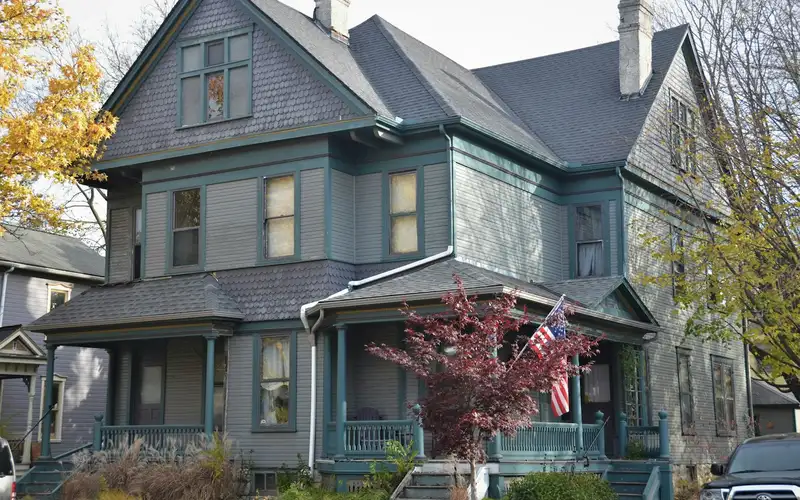
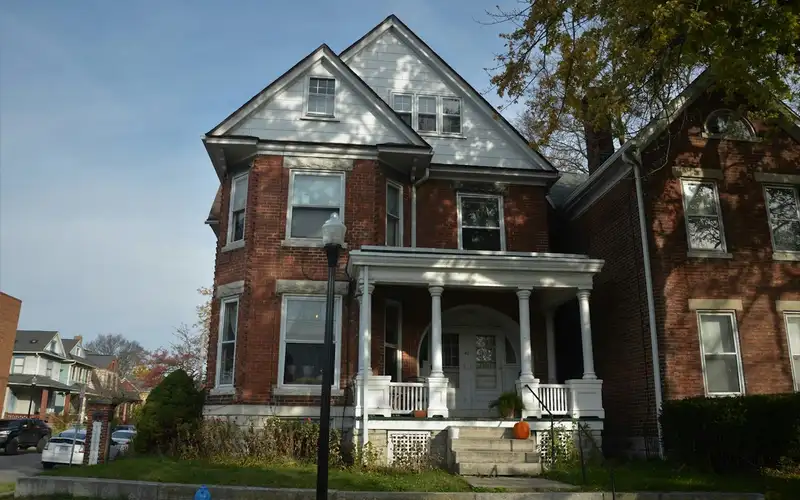
Tuttle Square
Federal-style mansions, named in the city's 1991 preservation handbook.
First to Fifth Streets
Worker housing from Dover's mill years, also in the 1991 handbook.
Near Woodman Park
Early-20th-century neighborhoods, along with areas south of Silver Street and between Oak and Hill Streets.
Historic review. Those neighborhoods come from the city's 1991 historic preservation handbook, an advisory guide that also names Silver Street, Central Avenue, Summer Street and Locust Street and notes that Dover adopted a historic district ordinance in 1977 but a 1978 attempt to define a district failed. Dover's Heritage Commission surveys historic resources and advises city boards. The official sources we checked show no regulatory local historic district and no demolition delay; demolition permits come from Inspection Services.
Lead and radon. In a house built before 1978, anyone paid to disturb painted surfaces must be EPA lead-safe certified, "even sole proprietorships," and window replacement is always covered; EPA runs the program directly in New Hampshire (EPA RRP). Before finishing a basement, test for radon; the NH Radon Program offers free kits (NH DHHS radon).
FAQ
Dover remodeling questions
Do I need a permit to remodel my own house in Dover?
Yes. The Inspection Services FAQ says homeowners doing their own work need a permit, and permits are required for any construction, enlargement, alteration or demolition beyond simple and normal maintenance and repairs of no more than $2,500. Interior remodels need a floor plan showing labeled rooms, appliances and egress.
How large can an ADU be in Dover?
The city's ADU page says an ADU may be attached or detached and must be at least 350 and no more than 950 square feet. The owner must live in one of the two dwellings, the result must look like a single-family home, and an annual, no-cost permit of use is required.
What does a building permit cost in Dover?
The latest schedule the city posts in readable form is the FY2025 Proposed Schedule of Fees, for July 1, 2024 to June 30, 2025, which lists $11 per $1,000 of construction value plus a $25 application fee, doubled with a $250 minimum if work starts first. City records list an FY2027 schedule, so confirm the current rate with Inspection Services.
Can a basement sump pump drain into the sewer in Dover?
No. The city says residential sump pumps and roof drains tied into the sewer are illegal under city code. Its 2026 inflow and infiltration program is identifying them, with no punitive punishments, so plan a different discharge before finishing a basement.
What does it cost me to use New England Remodeling Pros?
Nothing. Asking is free for homeowners; the contractor prices the job, and the price and contract are between you and them.
Nearby