
Home › New Hampshire › Rochester
Bathroom, Kitchen and Home Remodeling in Rochester, NH
Until January 1, 2027, Rochester lets permit applicants choose the 2021 or the 2024 ICC codes, and its Minor Building Permit for residential alterations is figured at $9 per $1,000 of cost plus $10. Call (978) 951-4644 or use the form. A person reads every request and replies with what happens next.
- Free for homeowners
- City and state remodeling rules on this page
- Gonic to East Rochester
Ask About Remodeling Service in Your Area
Tell us what you want to change in the house. A person reads it and replies with what happens next.
Please add your name, a 10-digit phone number and a valid email.
Your request didn't go through on our end. Please call (978) 951-4644 so it isn't lost.
Too many requests have come from this connection in a short time. Please call (978) 951-4644 and we'll take it from there.
We couldn't finish the spam check. Wait a moment and send it again, or call (978) 951-4644.
Remodeling in Rochester
What are you planning?
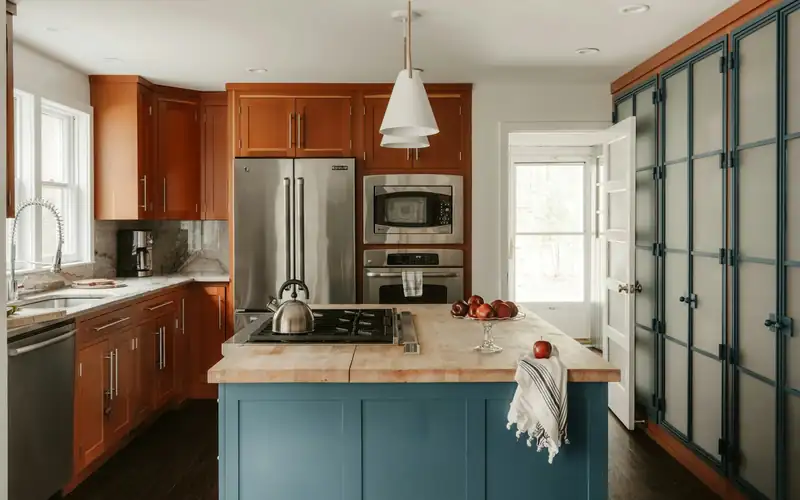
Kitchen Remodeling
New layouts, cabinets and counters, with licensed trades for any plumbing, gas and electrical work.
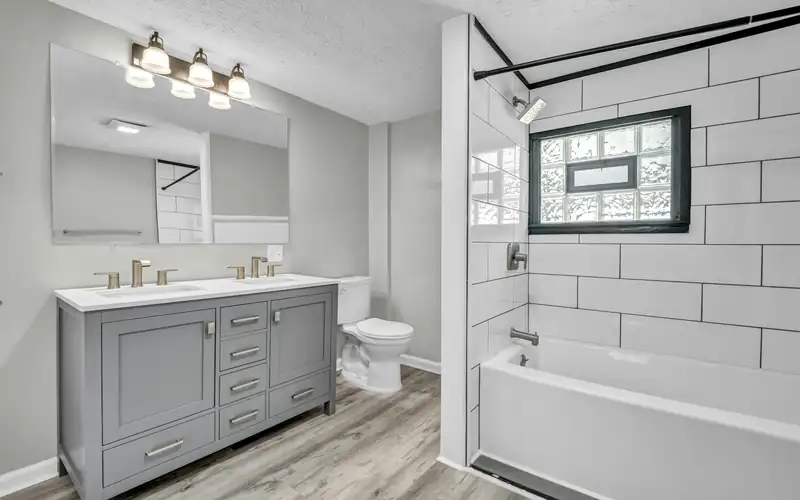
Bathroom Remodeling
Tub-to-shower conversions, full gut renovations and added bathrooms, permitted the way your town requires.
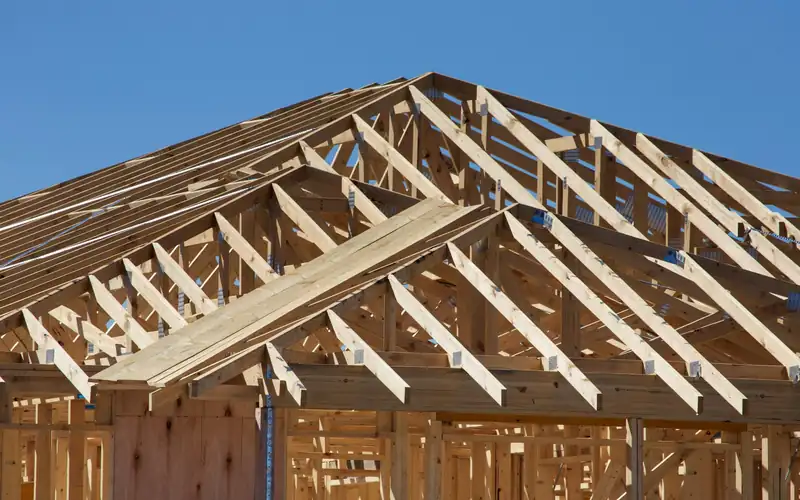
Additions & Whole-Home
Additions, dormers, second stories and whole-house renovations, with the structural permits and zoning they bring.
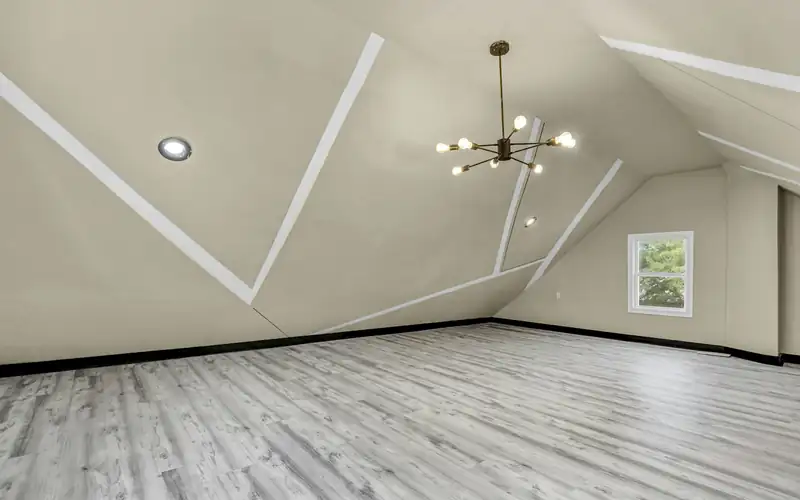
Attic & Basement Finishing
Turning an attic or a dry basement into living space, with the building department involved from the start.
Not sure where to start?
(978) 951-4644Tell us whether you're adding an apartment, building near a river or brook, or working on an old village house, and we'll help you sort out what the city will want first.
Permits
Remodeling permits in Rochester
Permits come from the Department of Building, Zoning & Licensing Services at 33 Wakefield St, and applications go through the city's OpenGov portal. The city sorts building permits into three kinds (permit types): a Major Building Permit for new homes, added units and commercial work; a Minor Building Permit for residential alterations; and an Express Building Permit "For Fences, Roofing (Re-Shingle only), Siding, Sheds (200 sq ft or less) and Windows ONLY." Electrical, plumbing, mechanical and demolition permits are separate.
Fees. The city's permit page and Minor Building Permit form, neither of which carries a date, figure the fee at "$9.00 per $1,000.00 of construction cost (rounded up if only a portion of 1,000), plus a $10.00 application fee," with the worked example "(5*9)+10= $55.00" for a $4,300 job. "After the Fact" permits cost twice the fee, and a site plan is required with every application. Trade permits use the same formula. For homeowner work where the owner furnishes the labor, the city code bases the fee on the cost of materials times two (Chapter 40). Gas fitters must list their NH license number on the mechanical permit form, and the electrical permit form addresses homeowners in a single-family, owner-occupied home.
Inspections and codes. Inspections are done in person except on Express permits, with 48 hours' notice. City permit forms state that New Hampshire adopted the 2024 ICC codes effective July 1, 2026, and that until January 1, 2027 applicants may choose either the 2021 or the 2024 codes, which matters for an addition designed this winter.
- Building permits
- Building, Zoning & Licensing Services, 33 Wakefield St
- Apply online
- OpenGov portal
- Remodels
- Minor Building Permit (Residential)
- Fee
- $9 per $1,000 of cost + $10 (undated city page)
- After the fact
- Twice the fee
- Code choice
- 2021 or 2024 ICC until January 1, 2027
State rules. The Attorney General says New Hampshire "contractors do not need to be licensed," so the vetting is yours: references, suppliers, proof of insurance, and a written contract with scope, materials, total price and payment schedule before any work or payment; a deposit over 50% is a warning sign (NH Attorney General). Plumbing, gas fitting and electrical work for pay need state-licensed trades (OPLC; RSA 319-C). On a home contract over $5,000 the contractor owes you the RSA 359-G notice, and a homeowner must give written notice 60 days before suing over a defect (RSA 359-G). Permits and fees are set locally under the State Building Code (RSA 155-A:2).
Last verified November 2026. Fees, restrictions and deadlines on this page are due for re-checking by January 2027. New England Remodeling Pros is a referral service. We don't do the remodeling ourselves; the contractor you hire, or you as the owner, files the permits.
Zoning
Adding on in Rochester
Accessory apartments. State law requires one ADU, attached or detached, to be allowed by right wherever single-family homes are (RSA 674:72; RSA 674:73). Rochester's accessory apartment rules (section 275-23.2, amended April 4, 2017) say a unit "may not exceed 800 square feet" and "must be two bedrooms or less." It can be part of the house or "in a separate building, such as above a garage"; an attached unit needs an interior door, and "if the accessory dwelling is detached from the single-family dwelling, it must be approved by a special exception" and be similar in architectural style. One is allowed per lot, "The owner of the property must occupy one of the dwelling units," at least one parking space is required, and where there's no sewer "the septic system shall meet NHDES requirements for the combined system demand." The apartment is exempt from site plan review, but "a letter of intent must be submitted to the Building Inspector." The ordinance also defines a smaller in-law apartment, a semi-independent area of no more than 400 square feet within a dwelling (definitions).
Lot coverage and setbacks. Rochester's dimensional rules count "buildings, roofed structures, or impervious surfaces" toward lot coverage, and apply setbacks to ground-mounted mechanical equipment, fuel tanks and bulkheads, so a new basement bulkhead or condenser counts too. The residential setback table wasn't readable for this page; the department can confirm the numbers for your lot.
Wetlands and rivers. The Conservation Overlay District, adopted October 7, 2003 with its buffer table amended March 5, 2019, sets buffers of 75 feet from the Cocheco, Salmon Falls and Isinglass Rivers and 50 feet from named brooks and ponds, poorly drained wetland soils and vernal pools, and "The land surface within 25 feet of the edge of the wetland shall not be altered." Additions to one- and two-family homes that existed before October 7, 2003 are exempt from the overlay if they meet the other rules. In the protected shoreland, construction or excavation also needs an NHDES shoreland permit (RSA 483-B:5-b).
Sewer, septic and digging. Rochester is part sewer, part septic. Structures within 100 feet of public sewer must connect, with a waiver for licensed-designed systems built after 1985 that a licensed evaluator has certified within the past year (sewer waiver fact sheet, updated January 2022). Footings need a free Dig Safe ticket at least 72 hours ahead, excluding weekends and legal holidays (Dig Safe, 811).
Old houses
Old houses and historic review in Rochester
Rochester's Historic Overlay District covers downtown (Tax Maps 116, 120, 121 and 125). In it, no building, structure, "significant ground disturbance" or sign may be altered without approval, but "Work completed on a single-family or duplex building within the Historic Overlay District" is exempt, and some other site work can get a 14-day administrative certificate of no negative effect. Demolition in the overlay, other than of single-family and duplex buildings and a few minor items, needs Historic District Commission approval; the official sources we checked show no citywide demolition delay ordinance.
A draft master plan chapter on cultural and historic resources (Draft #3, June 7, 2024, not adopted) notes a National Register district approved in 1983 with about 100 buildings, whose boundaries differ from the local overlay, and recommends exploring districts in Gonic, East Rochester and Rochester Hill. Those are recommendations in a draft, not rules.
Lead paint. Paid work that disturbs paint in a home built before 1978 needs an EPA-certified renovation firm, "even sole proprietorships," and window replacement and demolition of painted surfaces are always covered (EPA RRP; EPA contractor rules). EPA runs the program directly in New Hampshire.
Rochester's homes
Mill villages, farmhouses and newer lots
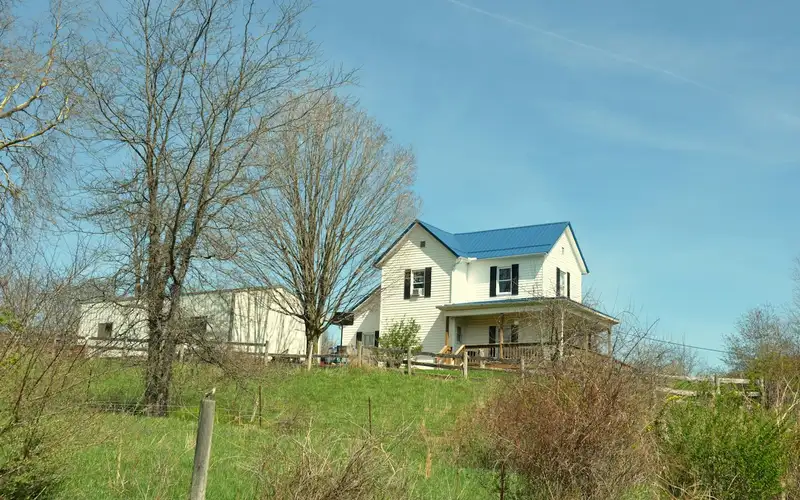
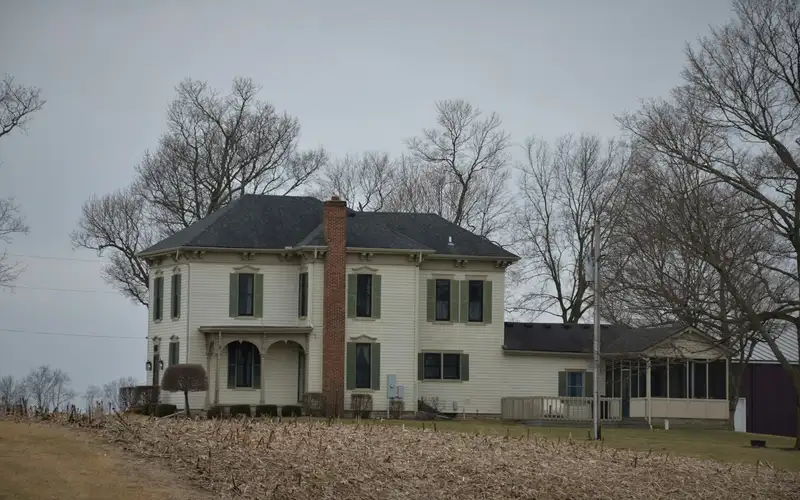
The official sources we checked give no year-built breakdown for Rochester's housing. The draft 2024 cultural and historic resources chapter describes the older layers instead: mill villages, downtown commercial blocks built mostly from 1890 to 1910, rural 19th-century farmhouses and "several instances of late 18th century buildings" (draft chapter).
Gonic
Mill built in 1849 and expanded in 1864; the draft chapter says much of the 19th-century layout and buildings remain intact.
East Rochester
Built around the 1862 Cocheco Woolen mill, with company housing on Front Street.
Downtown
Commercial blocks built largely from 1890 to 1910, per the draft chapter.
Village houses of that age usually bring old wiring, framing and paint into a kitchen or bath job. Before finishing a basement, test for radon; the NH Radon Program offers free kits (NH DHHS radon).
FAQ
Rochester remodeling questions
Which building code applies to my remodel in Rochester?
City permit forms say New Hampshire adopted the 2024 ICC codes effective July 1, 2026, and that until January 1, 2027 applicants may choose either the 2021 or the 2024 codes. After that date the 2024 codes apply.
What does a Minor Building Permit cost in Rochester?
The city lists $9.00 per $1,000 of construction cost, rounded up to the next $1,000, plus a $10.00 application fee; its own example is a $4,300 job at $55. After-the-fact permits cost twice the fee, and a site plan goes with every application.
Can I add an accessory apartment in Rochester?
Usually. The zoning ordinance allows one accessory apartment per lot, up to 800 square feet and two bedrooms, inside the house or in a separate building such as over a garage. The owner must live in one of the units, a detached unit needs a special exception, and on septic the system must meet NHDES requirements for the combined demand.
Does the downtown Historic Overlay affect my house?
Not for work on the house itself if it is a single-family or duplex building: the overlay exempts that work. Other buildings, and significant ground disturbance, need approval, though some site work can get a 14-day administrative certificate of no negative effect.
What does it cost me to use New England Remodeling Pros?
Nothing. Asking is free for homeowners; the contractor prices the job, and the price and contract are between you and them.
Nearby