
Home › Massachusetts › Reading
Bathroom, Kitchen and Home Remodeling in Reading, MA
Reading's Building Division spells out what a kitchen, bath, attic or basement permit needs before it issues, from the range hood's CFM to tempered glass near the tub, and a third of the town's homes were built before 1940. Call (978) 951-4644 or use the form. A person reads every request and replies with what happens next.
- Free for homeowners
- Town and state remodeling rules on this page
- Center-chimney colonials to 1950s capes
Ask About Remodeling Service in Your Area
Tell us about the room or the addition you have in mind. A person reads it and replies with what happens next.
Please add your name, a 10-digit phone number and a valid email.
Your request didn't go through on our end. Please call (978) 951-4644 so it isn't lost.
Too many requests have come from this connection in a short time. Please call (978) 951-4644 and we'll take it from there.
We couldn't finish the spam check. Wait a moment and send it again, or call (978) 951-4644.
Remodeling in Reading
What are you planning?
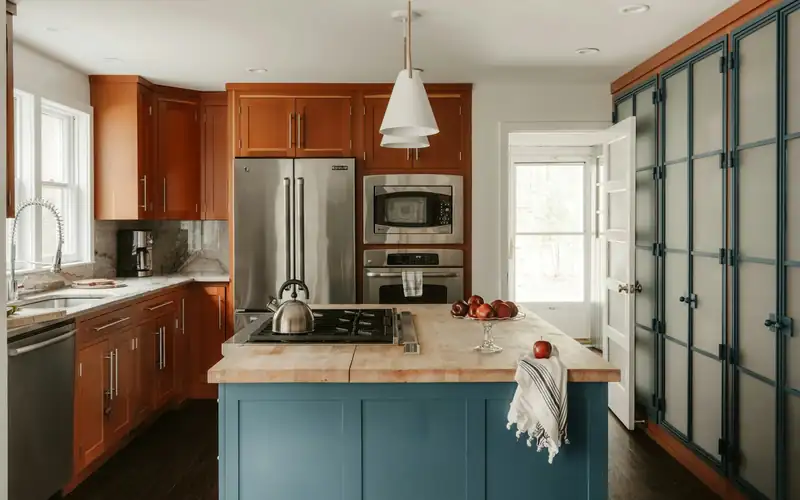
Kitchen Remodeling
New layouts, cabinets and counters, with licensed trades for any plumbing, gas and electrical work.
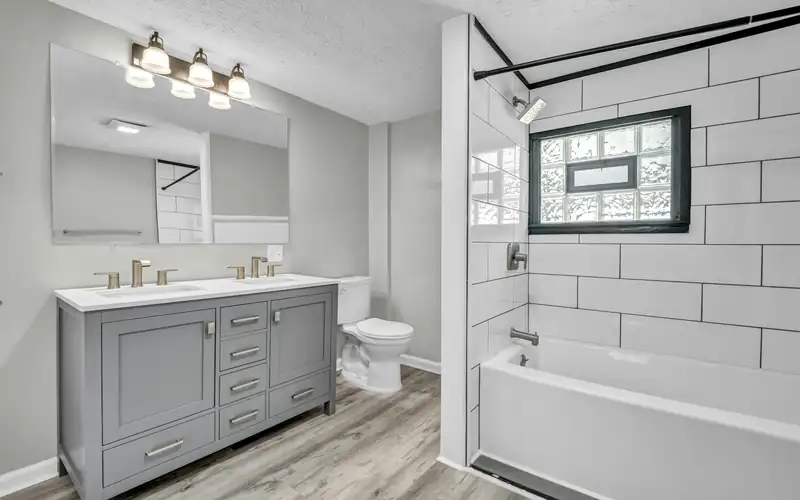
Bathroom Remodeling
Tub-to-shower conversions, full gut renovations and added bathrooms, permitted the way your town requires.
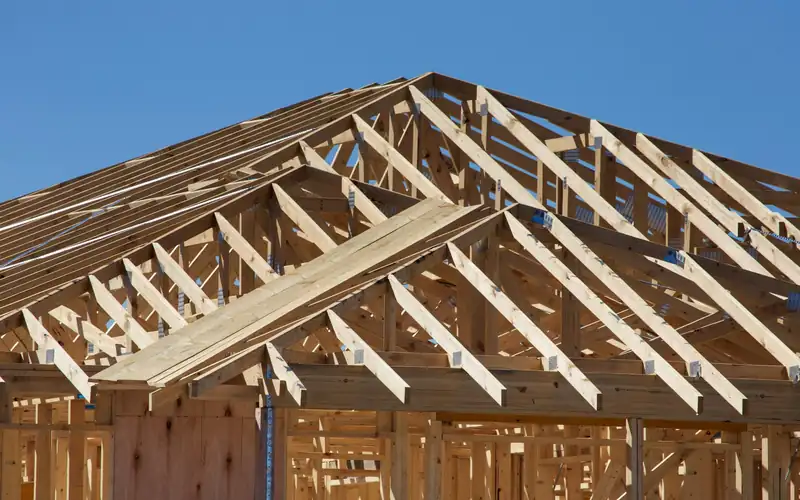
Additions & Whole-Home
Additions, dormers, second stories and whole-house renovations, with the structural permits and zoning they bring.
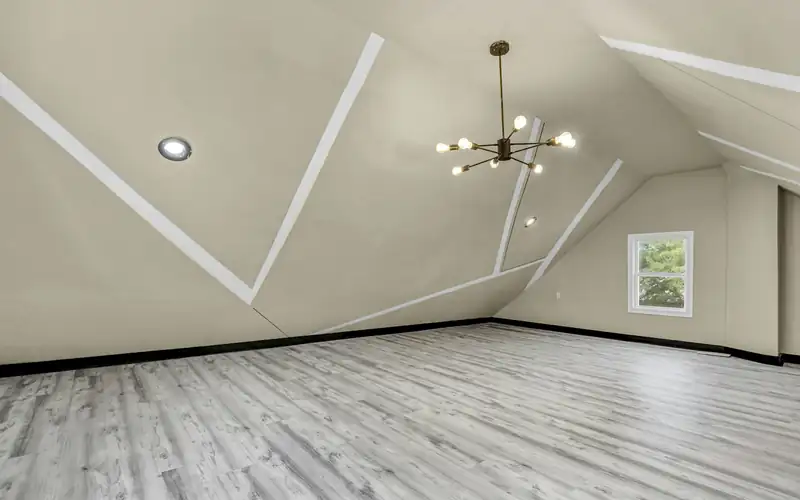
Attic & Basement Finishing
Turning an attic or a dry basement into living space, with the building department involved from the start.
Not sure what the town will ask for?
(978) 951-4644Tell us the room, the age of the house and whether you're near a wetland or the historic district, and we'll help you work out what comes first.
Permits
Remodeling permits in Reading
Building Division. Permits come from the Building Division at Town Hall, 16 Lowell Street (Town Hall is closed Fridays), and applications go in online through OpenGov (Building Division). Every building permit application needs a signed contract, the contractor's construction supervisor license and home improvement contractor registration, a workers' compensation certificate and the estimated cost of labor and materials, and the Building Official may ask for stamped plans (Permitting & Application Information).
Room by room. The same page lists what each kind of job must show. Kitchens: stove specifications, the window order and the hood vent CFM, uploaded before the permit issues. Bathrooms: a dimensioned layout of the floor, fixtures, walls, windows and doors; a fan in every full and half bath; tempered glass in any window less than 5 feet from a tub ("Film is not an acceptable product"); and insulation and an air barrier on exterior walls behind the tub or shower, with the floor left unsecured until the inspector has seen the work. Attics and basements: a Building Department site visit before the permit, and plans showing head height, insulation, heat, egress windows and labeled rooms. A basement renovation over 1,000 square feet needs Fire Department approval for smoke detectors, and so does an addition that adds a bedroom.
- Permits
- Building Division, Town Hall, 16 Lowell Street; online through OpenGov
- Building fee
- $13 per $1,000 of construction value, with a $50 minimum (fee sheet dated 8/2024)
- Work started without a permit
- Fees doubled
- Attic or basement
- Site visit before the permit issues
- Bedroom addition
- Fire Department approval
- Basement over 1,000 sq ft
- Fire Department smoke detector approval
- Energy code
- Stretch Code since January 1, 2021
Fees. Reading's building fee sheet dated 8/2024 charges residential work $13 per $1,000 of construction value with a $50 minimum, $50 for a re-inspection, and double for work started without a permit (Building Permit Fees). Plumbing and gas fees were revised July 1, 2024; residential gas work starts at $50 for up to three fixtures plus $10 for each additional one (Plumbing/Gas Permit Fees). Electrical permits have their own schedule (Electrical Permit Fees 2026), and the electrical inspector takes calls Monday to Thursday, 7 to 8 am (Inspector Hours).
Homeowner permits and the final. An owner pulling a permit must live, or intend to live, at the property, file cost, construction supervisor, home improvement contractor and workers' compensation affidavits, and schedule and attend the inspections. For the final, the permit card and a Completion of Construction affidavit go into OpenGov with the electrical, plumbing and fire sign-offs showing (Completion of Construction affidavit). The town's permit page warns that hiring an unregistered contractor means no access to the state Guaranty Fund.
State rules. Remodeling an owner-occupied one- to four-family home is "residential contracting" under M.G.L. c.142A, so the contractor needs a Home Improvement Contractor registration; any job over $1,000 needs a written contract with the registration number, start and completion dates, the price and a payment schedule, the deposit can't exceed one-third of the price unless special-order materials cost more, and a contract signed at home can be cancelled until midnight of the third business day (c.142A §2). Structural work on a one- or two-family home must be overseen by a licensed construction supervisor or a registered design professional (when a CSL is required). If you pull the building permit yourself, you may not be eligible for the Guaranty Fund, which pays up to $25,000 of actual losses (HIC homeowner resources). Check registrations on the Contractor Hub and supervisor licenses on the state verification site. Massachusetts requires photoelectric smoke alarms and a CO alarm on every level, including the basement (780 CMR R314, R315).
Energy code. Reading has used the Stretch Code since January 1, 2021, according to the state's adoption list as of October 27, 2026 (energy code adoption by municipality). Under it, an addition over 1,000 square feet or more than the home's existing conditioned floor area must meet a HERS rating limit, while finishing an existing attic or basement without changing the footprint or roofline does not need a HERS rating (225 CMR 22). The town also requires an approved insulation certificate before the insulation inspection on an addition, and a HERS rater, if hired, must confirm in writing that they were present.
Last verified November 2026. Fees, restrictions and deadlines on this page are due for re-checking by May 2027. New England Remodeling Pros is a referral service. We don't do the remodeling or pull permits; the contractor you hire files them.
Zoning
Adding on in Reading
Setbacks and plot plans. The Building Division points to Zoning Bylaw §6.3, the Table of Dimensional Controls, for setbacks (Zoning Bylaw). On a lot in the Aquifer Protection Overlay District, an application needs a certified, stamped plot plan showing existing and proposed lot coverage, approved by Engineering. An accessory building other than an accessory apartment may have a footprint of up to 600 square feet or 25% of the house's gross floor area, whichever is greater, and one built less than 10 feet from the house counts as attached.
Older houses that don't meet today's setbacks. State law lets a nonconforming one- or two-family house be altered or extended without a special permit finding when the work does not increase the nonconforming nature; otherwise the permit granting authority must find the change is not substantially more detrimental (c.40A §6). Reading's own nonconforming section is §7.3 of the bylaw; the Building Division can tell you which path an addition takes.
Accessory apartments and ADUs. Reading's Accessory Apartment section (§5.4.7, in the bylaw edition footed April 2025) allows one per lot, up to the lesser of 1,000 square feet or one-third of the principal dwelling's gross floor area. An apartment inside an existing single-family house with no added floor area is allowed by right in the S-15 and S-20 districts; detached units and additions need a Zoning Board of Appeals special permit, and the bylaw requires owner occupancy of one unit. Since February 2, 2025, state law allows one ADU by right in single-family zoning districts, up to half the house's gross floor area or 900 square feet, whichever is smaller, with a separate entrance, and towns can't require owner occupancy or a special permit for it (Mass.gov ADU page). Because parts of the local text may not apply to a protected ADU, ask the Building Division which rules govern your plan before drawings start. Every ADU still needs a building permit (ADU FAQs).
Wetlands. Swamps, wetlands and floodplains cover more than 30% of Reading. Additions, decks and grading within 100 feet of a wetland or pond, within 200 feet of a river or stream, or in the 100-year floodplain need Conservation approval first (Conservation Division). The town's December 2023 regulations keep a 25-foot Zone of Natural Vegetation, bar new structures within 10 feet of it and keep overhangs such as cantilevers, bay windows and eaves at least 7 feet from it (Wetlands Protection Regulations). About 98% of the town is on MWRA sewer, so most remodels here don't start with a septic review (Housing Production Plan 2023).
Historic review
Old houses and historic review in Reading
Demolition delay. Reading's delay is tied to a list, not an age. General Bylaw §7.2 covers structures on the List of Historic Structures: National and State Register properties, the town's 1995 Historical and Architectural Inventory, structures added in 2010 and later Commission findings. If at least four Historical Commission members vote that a listed structure is protected, demolition can be delayed up to six months from the vote (General Bylaw). The Commission's rules, revised July 20, 2022, say its review covers interior as well as exterior features and asks for stamped site and architectural drawings (Historical Commission rules). If you're taking down an ell, a porch or a barn on an older lot, ask whether the house is listed before you plan.
West Street Historic District. Reading's local historic district under c.40C, established in 2005, has design guidelines updated February 22, 2024 that review visible exterior changes. Mechanical and plumbing vents are exempt; the commission decides within 14 days whether a hearing is needed and holds it within 45 days (Design Guidelines with Application). The bylaw also names a Summer Avenue Historic District Area. The Town Common and part of Woburn Street are National Register districts, with nearly 100 properties on the Register (Open Space and Recreation Plan 2022–2029).
Lead paint. In a home built before 1978, Massachusetts requires a licensed lead-safe renovation contractor for renovation, repair or painting work (MA lead-safe renovation). Under federal rules, window replacement and demolition of painted surfaces are always covered, whatever the area (EPA RRP). Expect an asbestos survey before demolition or renovation too; MassDEP requires one on a structure of any age (MassDEP asbestos guide).
Reading's homes
Colonials, Victorians and workers' cottages
A third of Reading's housing units were built before 1940 and more than half before 1960, and 72.5% are single-family detached homes, according to the town's 2023 Housing Production Plan (HPP 2023). The Massachusetts Historical Commission's town report traces center-chimney colonials from about 1735 to 1760, Greek Revival houses at the center and on Salem, Woburn and South Main Streets, Italianate houses along Woburn, Prospect and Salem Streets, and workers' cottages and double houses built east of the center between 1870 and 1915 (MHC town report).
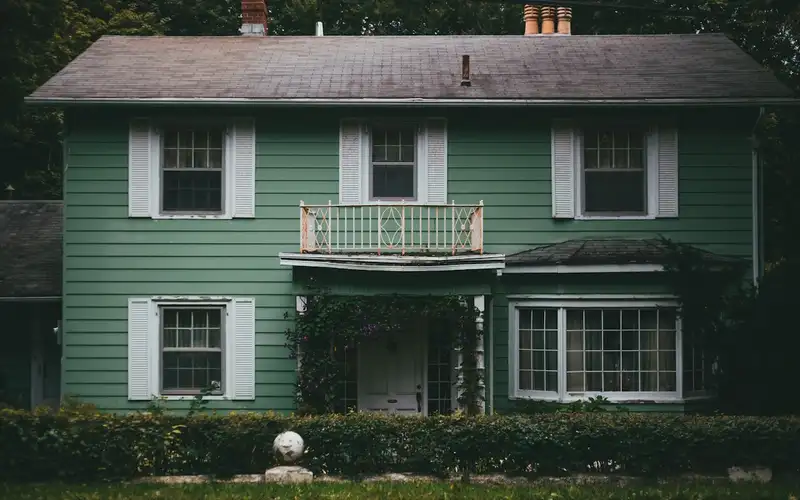
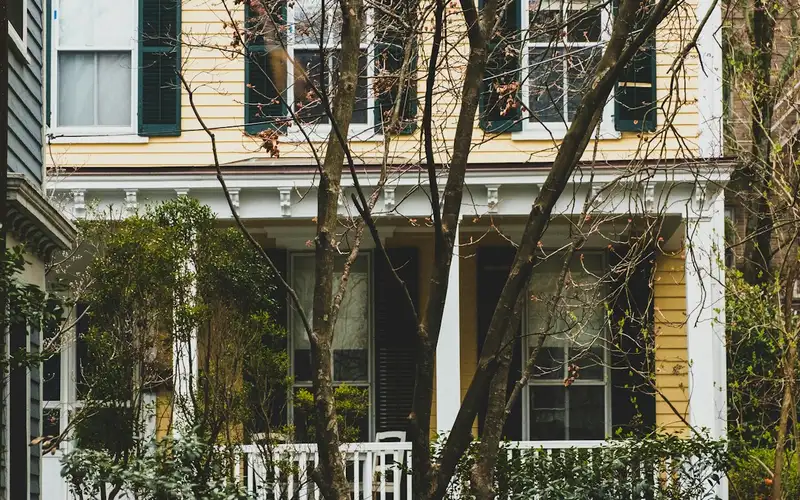
In a house that old, plan for the paperwork that comes with opening walls: a licensed lead-safe renovation contractor for pre-1978 paint, an asbestos survey before demolition, and, for an addition, the town's insulation certificate under the Stretch Code. If the house is on the List of Historic Structures or inside the West Street district, the Historical Commission or the district commission comes before the building permit.
FAQ
Reading remodeling questions
What does Reading need before it issues a kitchen permit?
The Building Division asks for the stove specifications, the window order and the range hood's CFM to be uploaded before the permit issues. Applications go in through OpenGov, and the electrical, plumbing and fire sign-offs all have to show on the permit card before the final inspection.
Does finishing a basement or attic in Reading need an inspection before the permit?
Yes. The Building Division says a site visit by the Building Department is required before an attic or basement renovation permit issues, and the plans must show head height, dimensions, insulation, heat, egress windows and labeled rooms. A basement renovation over 1,000 square feet also needs Fire Department approval for smoke detectors.
Can I add an apartment to my house in Reading?
Reading's zoning lets an accessory apartment inside an existing single-family house, with no added floor area, by right in the S-15 and S-20 districts, and sends detached units and additions to the Zoning Board of Appeals. State law since February 2, 2025 also allows one ADU by right in single-family districts, so ask the Building Division which rules apply to your plan.
Will the Historical Commission review my project?
It can, if the house is on Reading's List of Historic Structures and the work counts as demolition, or the house is in the West Street Historic District and the change is visible. The demolition delay can run up to six months from the Commission's vote, and the district commission reviews visible exterior changes under guidelines updated in 2024.
What does it cost me to use New England Remodeling Pros?
Nothing. Asking is free for homeowners; the contractor prices the job, and the price and contract are between you and them.
Nearby